
The Real Problem With Youth Football in America
Youth football in America isn’t broken because of bad intentions — it’s broken because it was never truly built.
There’s no unified structure, no national strategy, and no shared vision guiding how players should develop. Instead, the game has evolved into a fragmented patchwork of leagues, clubs, and organizations — all competing for players, prestige, and profit. Without leadership, the result is predictable: opportunity flows to the very few, while the vast majority are left behind.
And in that chaos, the focus doesn’t fall on the top 5%. It falls on the top 0.05% — the tiny group of early developers who happen to land in the right environment at the right moment.
A System Built for the Few — Not the Many
Take the New York metropolitan area, for example — one of the most talent-rich football regions in the world. Between New York, Western Connecticut, and Northern New Jersey, there are only two MLS academies offering free, professional-level training. Each academy takes roughly 36 boys per age group from U13 upward.
That’s fewer than 75 players across three states — out of hundreds of thousands of boys playing organized football.
Fewer than one in every 10,000 has access to a truly professional development environment.
And yet, this tiny fraction becomes the focus of the entire system. Those players receive the best coaching, facilities, and competition. The rest — including the late developers who often become the best players in adulthood — are left in environments that simply don’t match their potential.
Early Success Doesn’t Predict Future Greatness
But here’s the truth I’ve learned from both sides of the Atlantic: the best players at 12–16 are rarely the best players at 18–22.
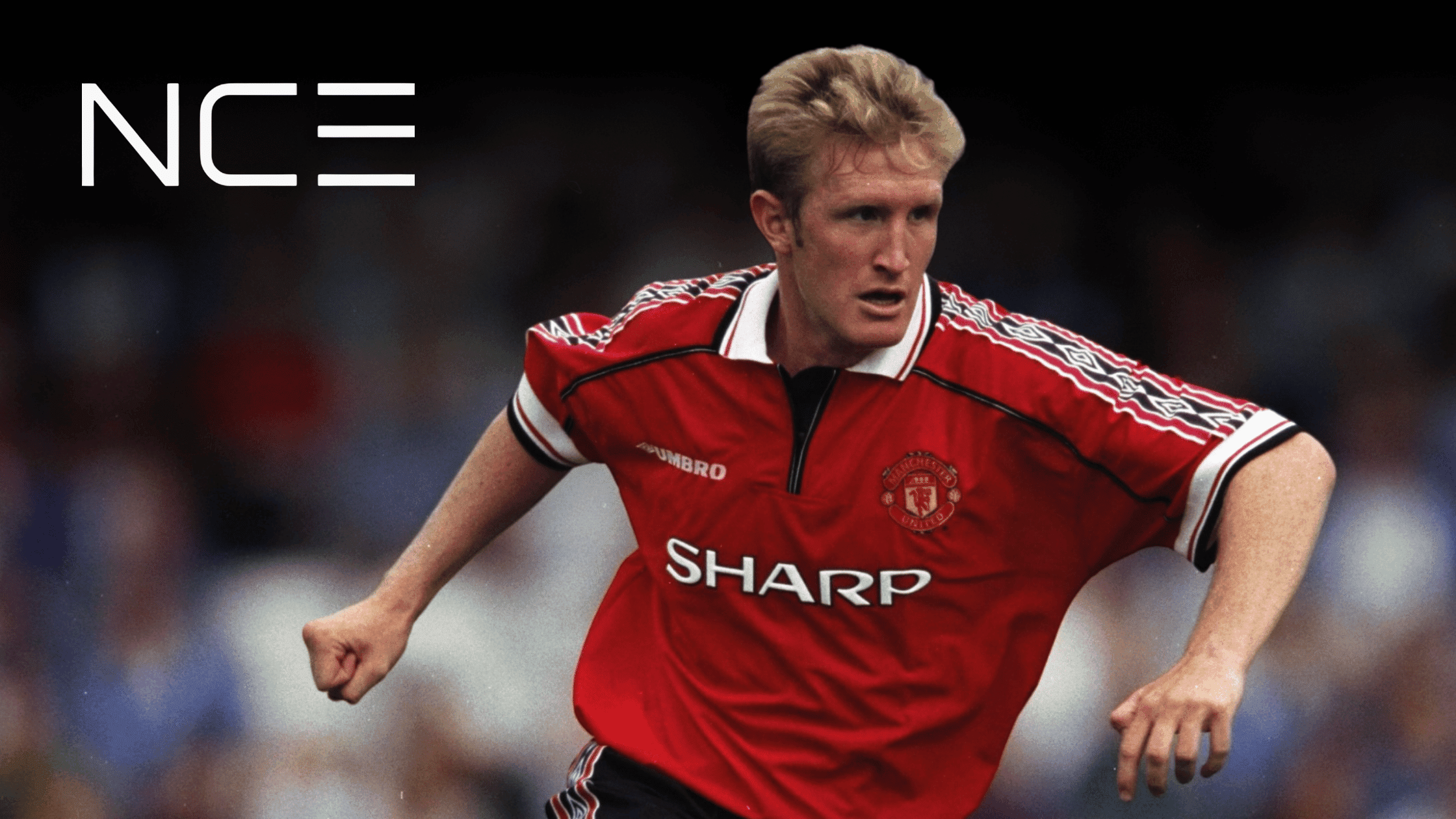
When I represented England Schoolboys U15s, I played alongside many of the most highly rated players in the country. They were strong, confident, and dominant — the early developers. Yet very few went on to long professional careers.
Fast forward just a few years to my time with the England U21s, alongside Steven Gerrard, Rio Ferdinand, Frank Lampard, Emile Heskey, and Danny Murphy, and it became clear: the ones who reached the top weren’t necessarily the early stars. They were the ones who kept growing, kept learning, and kept adapting.
The American System Leaves No Room for Growth
That same truth applies in the United States — but the system here gives almost no room for those players to grow.
Between ages 12 and 16, young athletes experience enormous physical, psychological, and social change. Some sprint ahead; others lag behind — not because of talent, but because of a combination of biology, opportunity, and geography.
Whether a player lives near a top program, or has parents able to drive hours each week to training, often dictates their future far more than their actual ability.
The Illusion of “Elite” Development
And for the vast majority who aren’t selected for an academy at 13 or 14, the picture is equally misleading. They’re not written off — far from it.
They’re gladly enveloped by clubs that market themselves as elite, promising “professional pathways” and “development environments.” But in reality, most deliver more of the same: a win-at-all-costs culture, fueled by tournament results, rankings, and GotSoccer points — and, increasingly, by the pressure to showcase players for early college recruitment. The focus shifts toward short-term results and early exposure, not long-term growth or genuine player development.
That’s where the real damage happens. It’s not that these players lack ability — it’s that the system doesn’t exist to nurture them. Without genuine opportunity, their growth stagnates. And the country loses players who could have been its next generation of stars.
How NCE Soccer Fills the Gap
At NCE Soccer, we exist to fix that gap. Our programs are designed to give talented players outside the professional academies access to a professional, challenging, and supportive environment — one that prioritizes long-term growth over early selection.
Because true development isn’t about who looks best at 13. It’s about who keeps improving at 18, 20, and beyond.
The U.S. doesn’t need more “elite” 14-year-olds. It needs more 18-year-olds who never give up.
